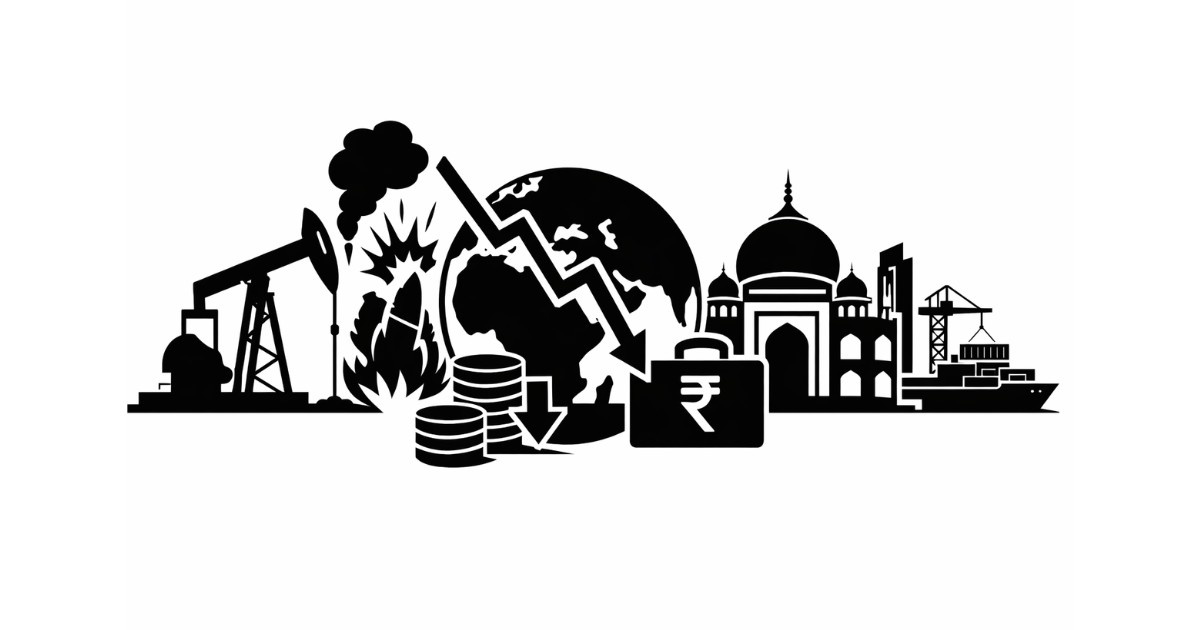
Middle East Tensions Escalate with rising geopolitical risks. Read about the global economic impact and India’s strategic response to the growing crisis.
Middle East Tensions Escalate once again, raising serious concerns across global markets and diplomatic circles. Rising geopolitical instability in the region has triggered sharp reactions in energy prices, currency markets and international trade flows. As Middle East Tensions Escalate, countries around the world are closely watching developments that may reshape economic and security priorities.
India, which maintains strong ties with several countries in the region, faces both risks and strategic choices. With energy imports, trade partnerships and a large Indian diaspora in West Asia, the situation demands careful planning.
Below are nine serious effects of the crisis and how India is responding.
1. Oil Prices Surge as Middle East Tensions Escalate
One of the first reactions when Middle East Tensions Escalate is a spike in crude oil prices. The region accounts for a major share of global oil production. Any disruption in supply routes or production facilities immediately impacts international markets.
Benchmark crude prices have shown volatility as traders factor in supply risks. For energy-importing nations like India, higher oil prices increase the import bill and widen the trade deficit. Fuel price pressure can also lead to inflation in transport and manufacturing sectors.
As Middle East Tensions Escalate, oil remains the most sensitive economic indicator.
2. Global Stock Markets React With Volatility
Equity markets often respond sharply when geopolitical uncertainty rises. As Middle East Tensions Escalate, investors shift toward safe-haven assets such as gold and government bonds.
Stock exchanges in Asia, Europe and the United States have experienced fluctuations amid the crisis. Sectors such as aviation, shipping and manufacturing are particularly vulnerable to rising fuel costs.
Market analysts warn that prolonged instability could reduce investor confidence globally.
3. Shipping Routes and Trade Disruptions
The Middle East is home to critical maritime routes, including the Strait of Hormuz. If Middle East Tensions Escalate further, shipping activity may face delays or increased insurance costs.
Disruptions in cargo movement can impact global supply chains. India, which imports crude oil and exports goods through these routes, may face logistical challenges.
Higher freight costs may eventually affect consumer prices in multiple countries.
4. Currency Fluctuations and Inflation Risks
When Middle East Tensions Escalate, currency markets respond quickly. Emerging market currencies often weaken due to capital outflows and higher import costs.
For India, a weaker rupee increases the burden of oil imports. This can lead to higher domestic fuel prices unless government intervention stabilizes costs.
Inflation risk remains a major concern. Policymakers may need to balance growth and price stability carefully if Middle East Tensions Escalate over a longer period.
5. Diplomatic Alignments and Strategic Partnerships
As Middle East Tensions Escalate, diplomatic strategies gain importance. Major global powers are engaging in talks to prevent further escalation.
India has traditionally followed a balanced foreign policy in the region. It maintains relations with countries such as Israel and Iran while also engaging closely with Gulf nations.
This balanced approach helps India protect its economic and security interests.
6. Energy Security Becomes a Priority
Energy security is central to India’s strategic response. As Middle East Tensions Escalate, policymakers may increase efforts to diversify crude oil suppliers.
India has already expanded imports from alternative producers to reduce overdependence on any single region. Strategic petroleum reserves also serve as a buffer during supply shocks.
Long-term investments in renewable energy may gain further momentum if Middle East Tensions Escalate persistently.
7. Impact on Indian Diaspora in the Region
Millions of Indians live and work in Gulf countries. When Middle East Tensions Escalate, safety and job security become concerns for expatriate communities.
The Indian government closely monitors developments to ensure the welfare of its citizens abroad. Emergency response systems and diplomatic communication channels remain active.
Remittances from the region contribute significantly to India’s economy. Stability in the region directly affects these financial flows.
8. Defense and Security Considerations
Rising instability also influences defense planning. As Middle East Tensions Escalate, global military preparedness increases.
India continues to strengthen maritime surveillance and strategic partnerships. Naval deployments in the Arabian Sea may be enhanced to protect trade routes.
Security agencies remain alert to prevent any spillover risks that could affect domestic stability.
9. India’s Strategic Economic Response
India’s broader response focuses on economic resilience. As Middle East Tensions Escalate, policymakers evaluate fiscal and monetary measures to manage inflation and protect growth.
Diversifying energy sources, boosting domestic production and encouraging alternative fuels are part of the long-term plan.
Trade diplomacy also plays a key role. Maintaining stable ties with regional partners ensures continued access to markets and resources even when Middle East Tensions Escalate.
Global Political Reactions
International organizations have urged restraint as Middle East Tensions Escalate. Diplomatic talks aim to prevent further conflict escalation.
Global leaders emphasize dialogue and stability to protect economic recovery. Financial institutions warn that prolonged geopolitical tension could slow global growth.
The situation remains dynamic, and outcomes depend on diplomatic negotiations and regional developments.
Long-Term Economic Implications
If Middle East Tensions Escalate for an extended period, global growth forecasts may be revised downward. Energy-importing nations face higher production costs.
Businesses may delay investment decisions due to uncertainty. Consumer confidence could weaken if inflation rises significantly.
India, as one of the world’s fastest-growing economies, must carefully manage these external risks. Economic diversification and domestic demand remain strengths that can cushion external shocks.
What India Should Watch Next
As Middle East Tensions Escalate, India must monitor oil price trends, shipping security and diplomatic developments. Coordination between economic ministries and defense authorities becomes essential.
Market volatility may continue in the short term. However, India’s diversified trade relationships and growing renewable energy sector provide long-term resilience.
Policymakers are likely to focus on stabilizing inflation, protecting energy supplies and maintaining diplomatic balance.
Strategic Outlook Amid Rising Uncertainty
Middle East Tensions Escalate at a time when global economic recovery remains fragile. The interconnected nature of energy markets, trade routes and financial systems amplifies the impact of regional instability.
For India, the challenge lies in balancing economic interests with strategic diplomacy. Diversification, preparedness and cautious policy decisions will shape the country’s response in the coming months.
As Middle East Tensions Escalate, the global community faces a period of uncertainty. How governments act now will determine whether the situation stabilizes or deepens into a broader crisis affecting economies worldwide.
Edited By: Akshaya Polepalli
Also Read: 7 Critical Impacts of Google March 2026 Core Update Every Indian Website Owner Must Know
Follow us on google news: Click Here